RPA – Tool for Liquid Propellant Rocket Engine Analysis
Home Licensing Downloads Contact

Overview

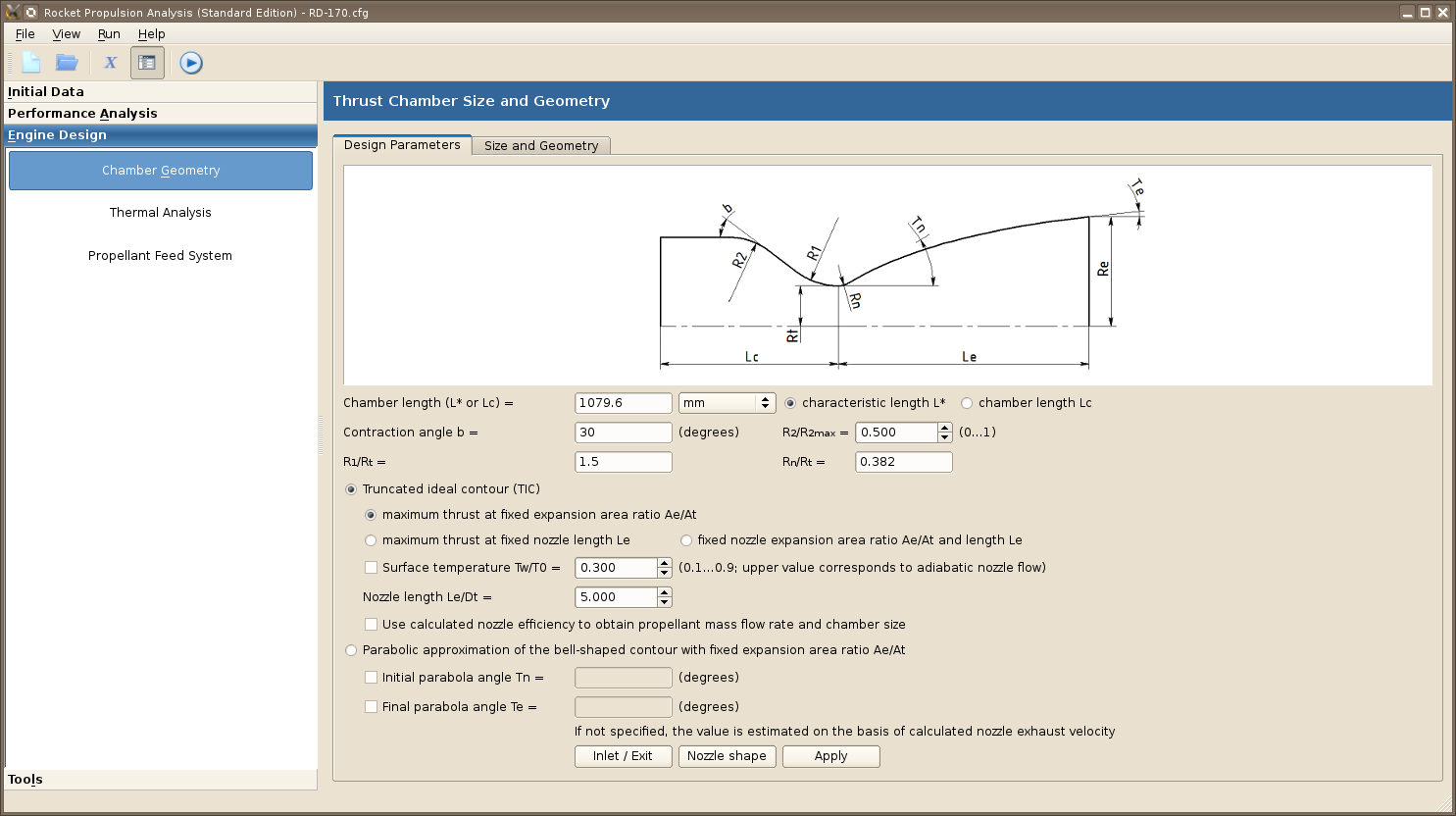
Rocket Propulsion Analysis (RPA) is a tool for the performance prediction of liquid propellant rocket engines suitable for use in conceptual design studies.

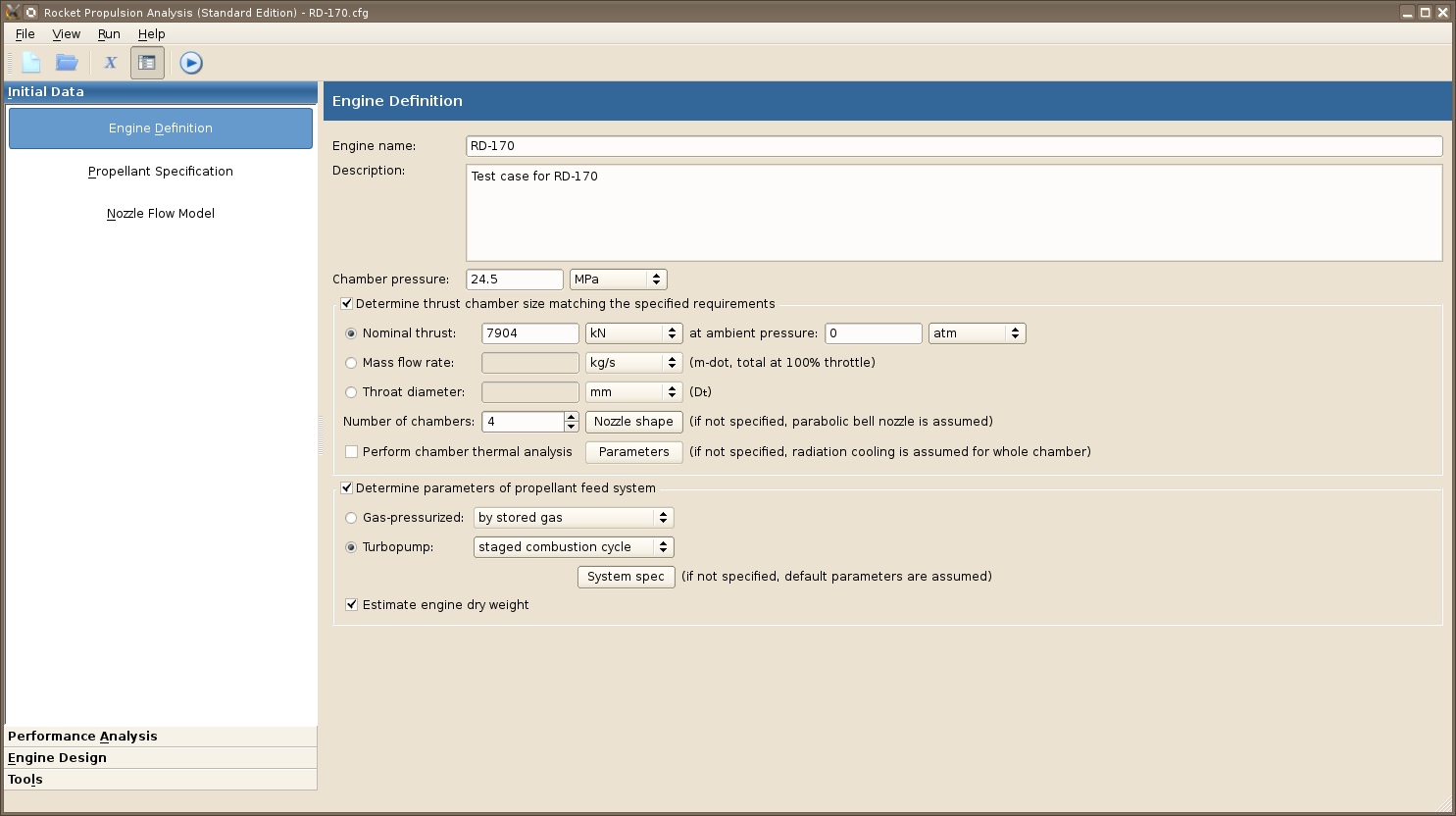
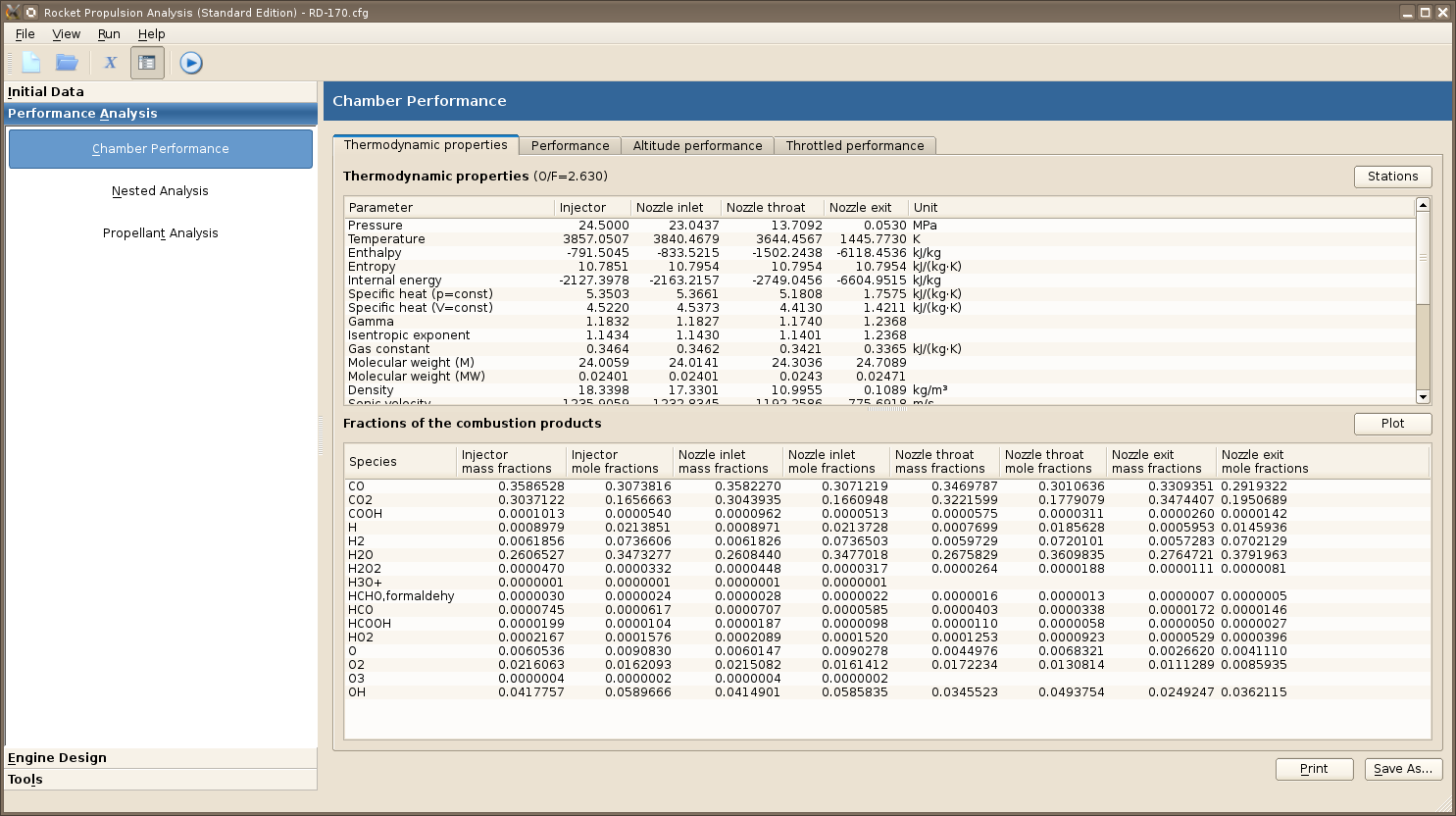
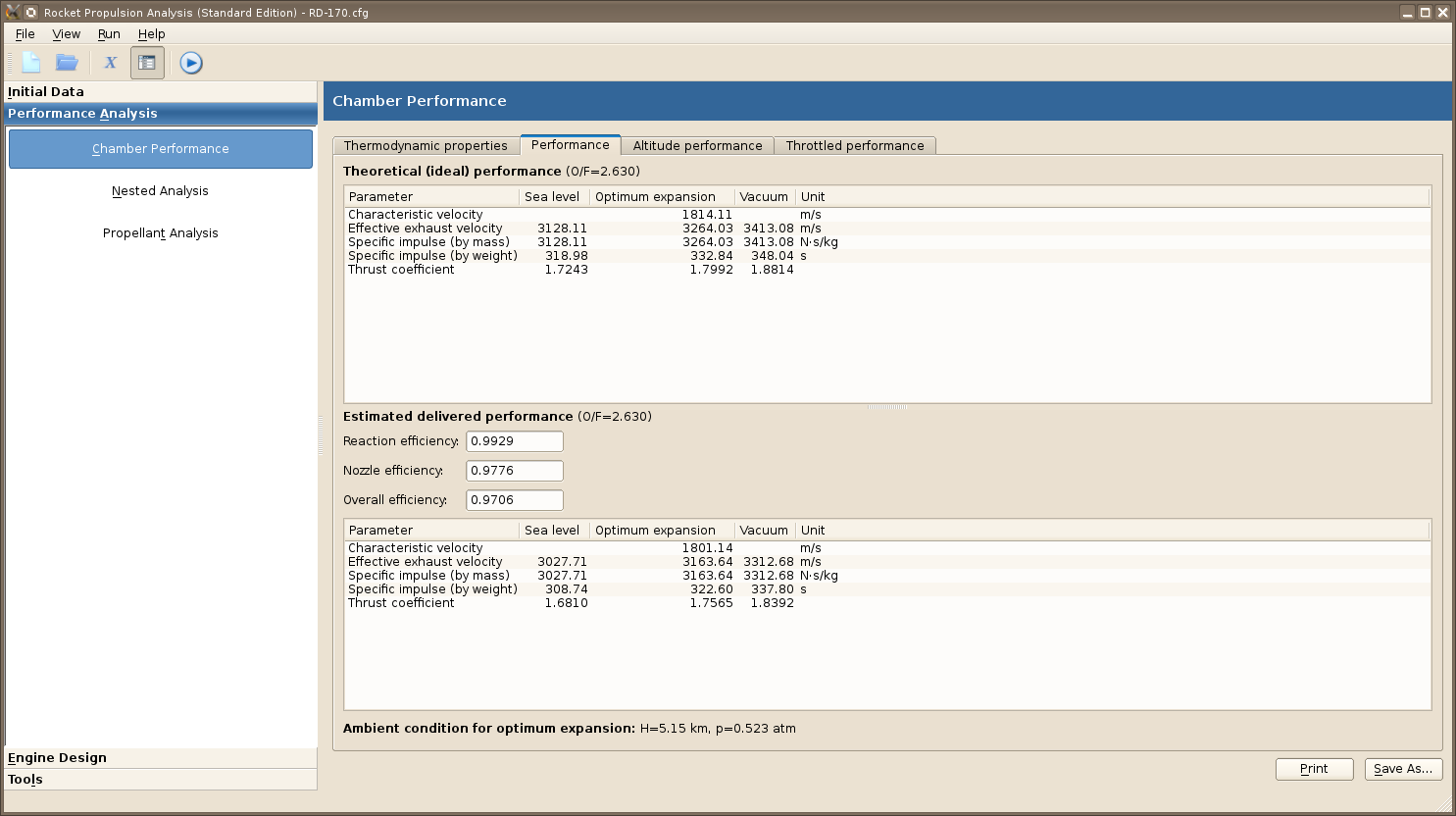
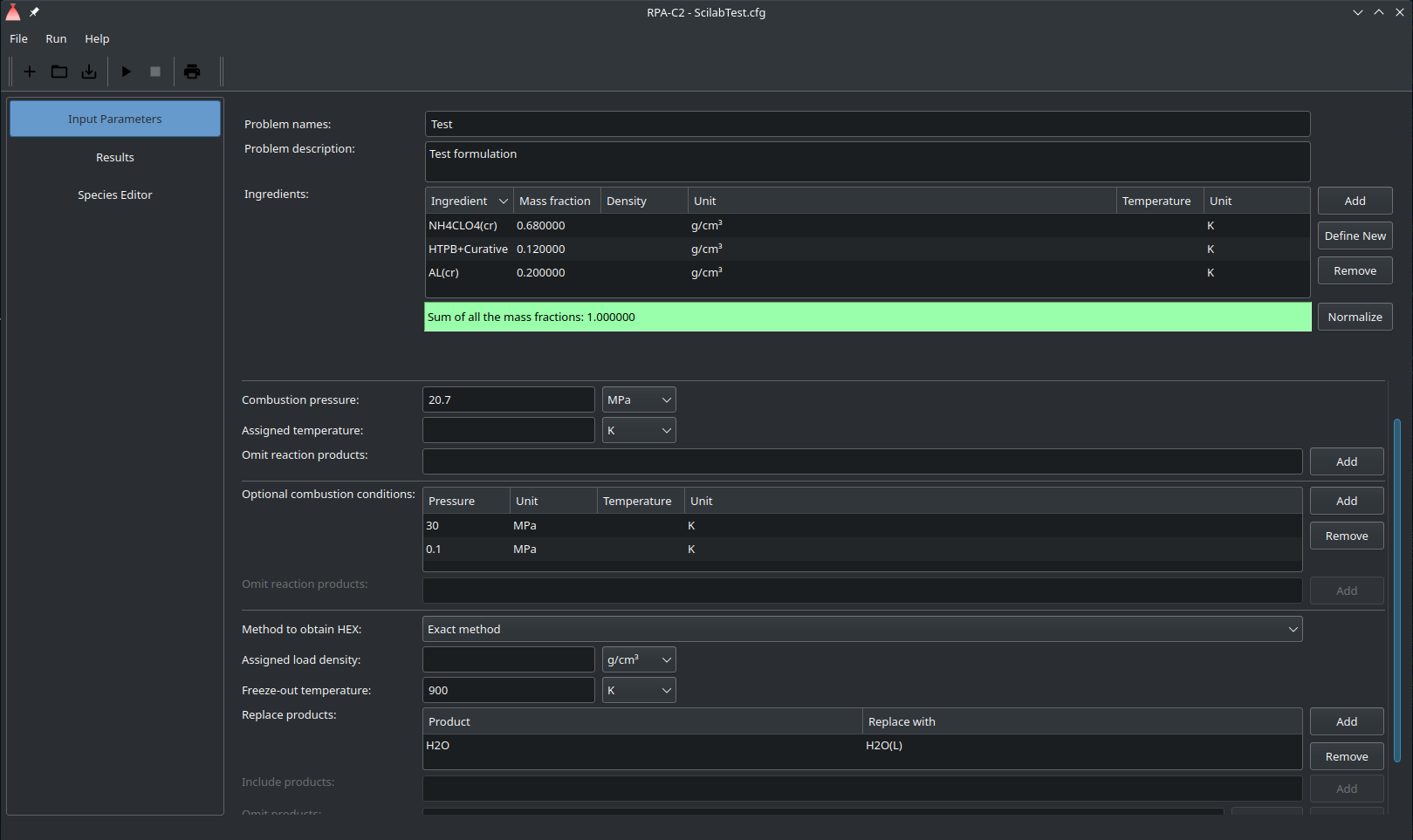
By providing a few engine parameters such as combustion chamber pressure, used propellant components, and nozzle parameters, the program obtains chemical equilibrium composition of combustion products, determines its thermodynamic properties, and predicts the theoretical rocket performance.

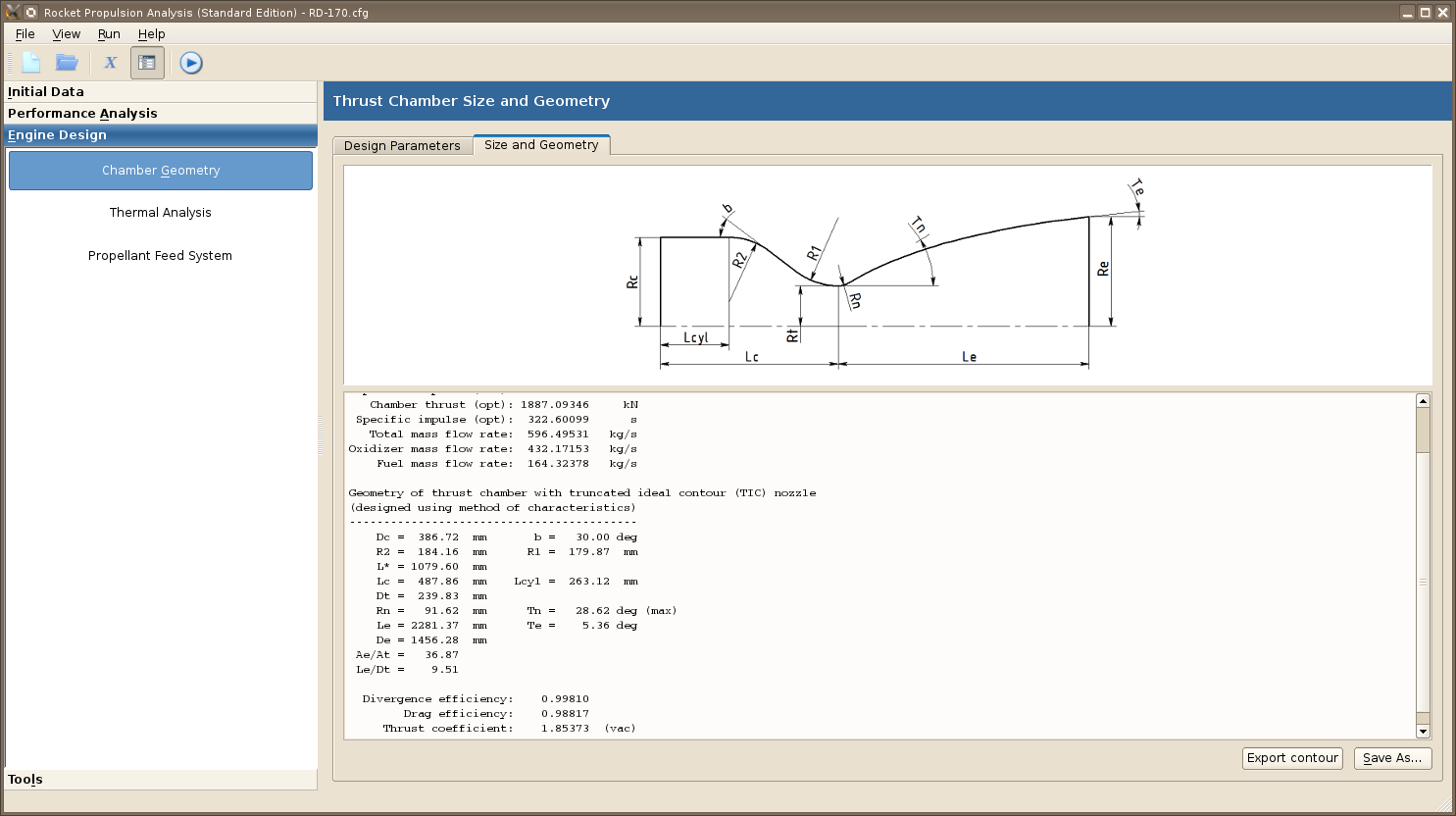
The results of calculation can also be used to design combustion chambers, gas generators and preburners of the liquid propellant rocket engines.

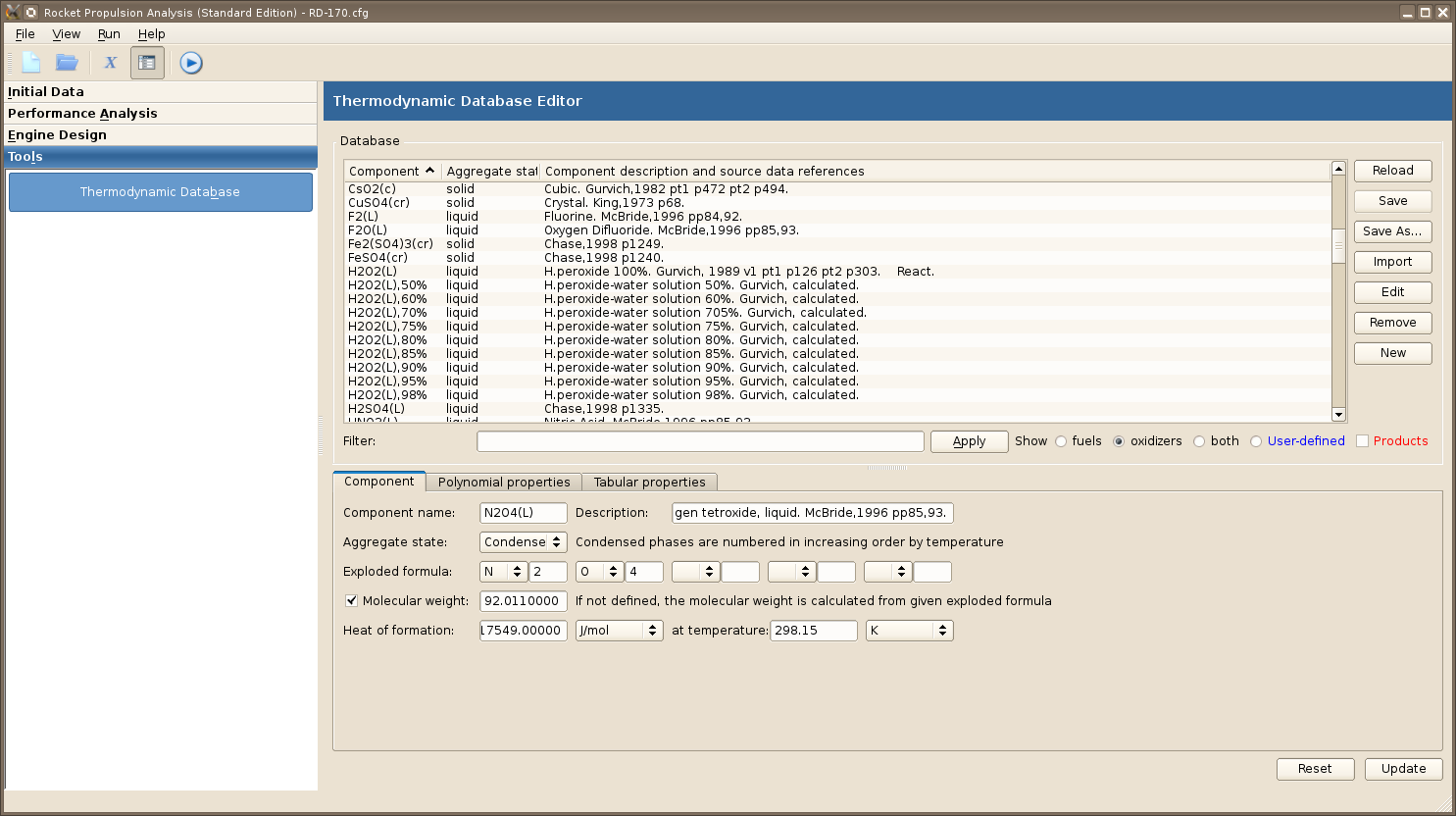
RPA utilizes an expandable propellant library based on NASA Glenn thermodynamic database. The library includes data for numerous fuels and oxidizers, such as liquid hydrogen, liquid oxygen, kerosene (RP-1, RG-1, sintin), methane, propane, hydrogen peroxide, MMH, and many other. The users can also easily incorporate into the database his/hir own chemical species, or species obtained from third parties.

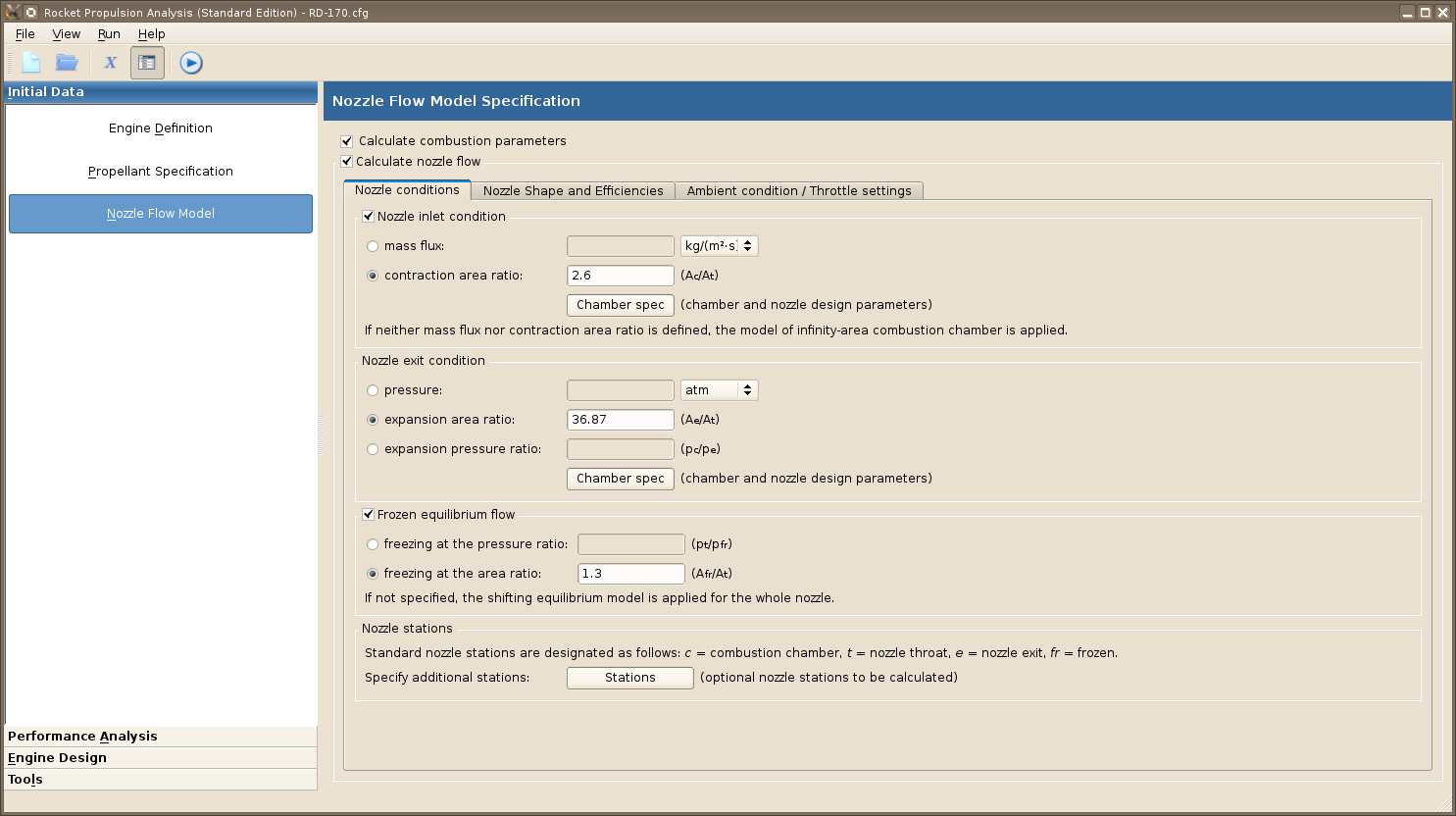
RPA main window - nozzle flow model specification

Main Features

  • Robust, proven and industry-accepted Gibbs free energy minimization approach used to obtain the combustion composition
  • Analysis of nozzle flows with shifting and frozen chemical equilibrium
  • Optimisation of propellant components mixture ratio for maximum specific impulse of bipropellant systems
  • Altitude performance analysis
  • Analysis of nozzle performance with respect to overexpansion and flow separation
  • Throttled engine performance analysis
  • Estimation of test (actual) nozzle performance
  • Nested analysis, stepping of up to four independent variables (component ratio, chamber pressure, nozzle inlet conditions, nozzle exit conditions)
  • Operated from multi-platform Graphical User Interface (GUI) on Windows XP, Windows Vista, Windows 7 (both x86 and x64), as well as on Linux

Click here for a complete list of features.

RPA is written in the C++ programming language and works on Windows and many Linux and Unix Systems.

Copyright © 2009,2010 Alexander Ponomarenko  |  Contact